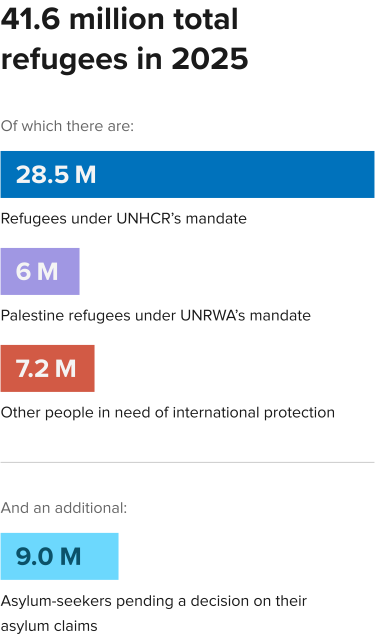
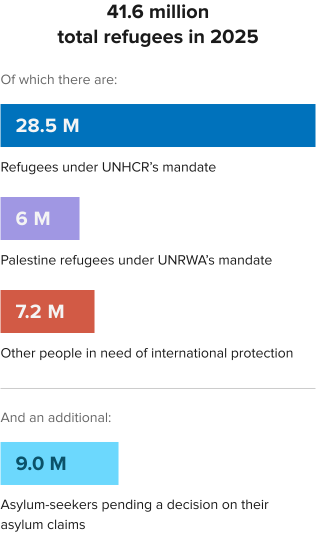
41.6 million people are refugees
In other words...
That's roughly 1 in every 200 people worldwide
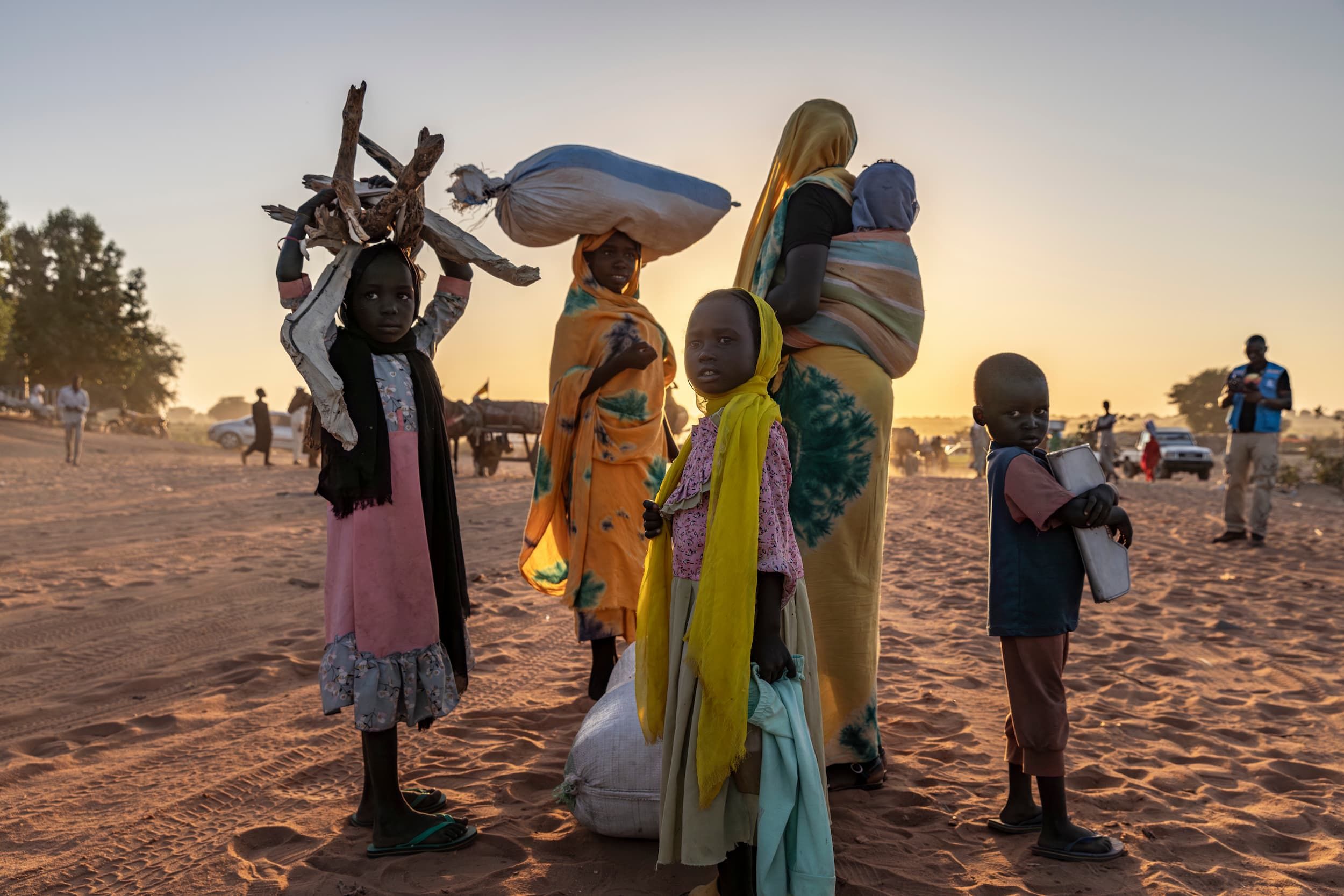
Photo by:
© UNHCR/Diana Diaz Rodriguez
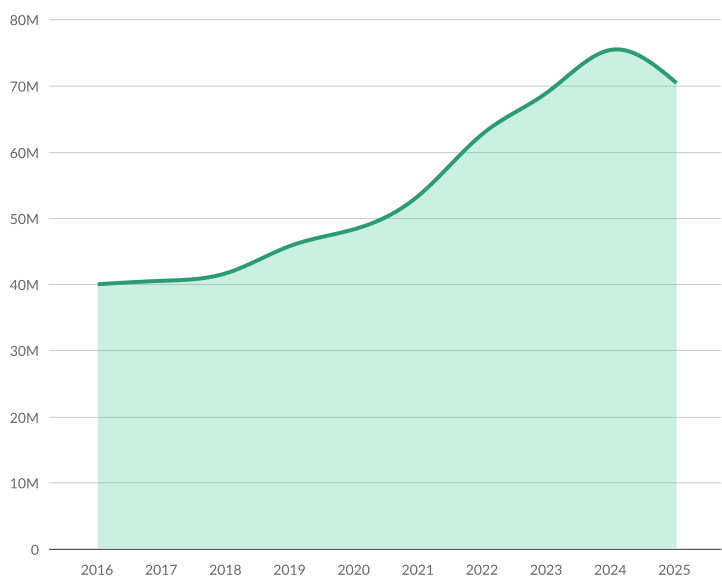
Refugee numbers remain elevated despite recent large-scale returns under pressure
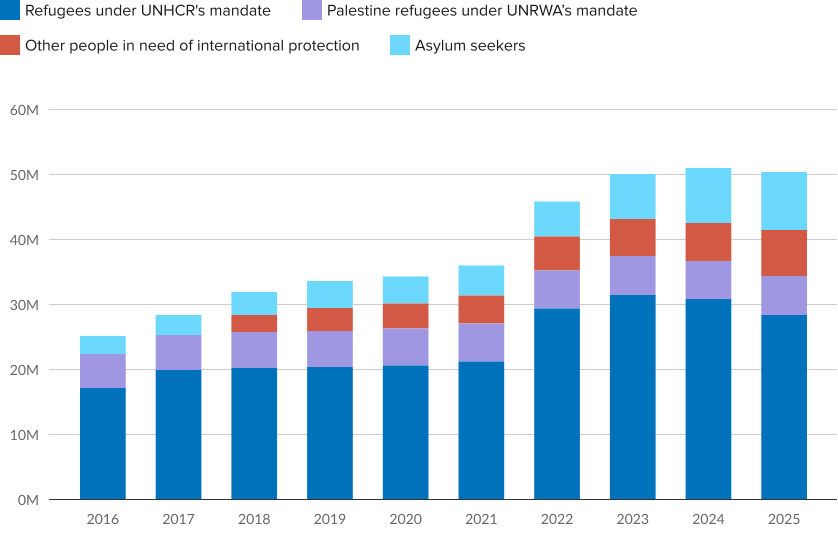
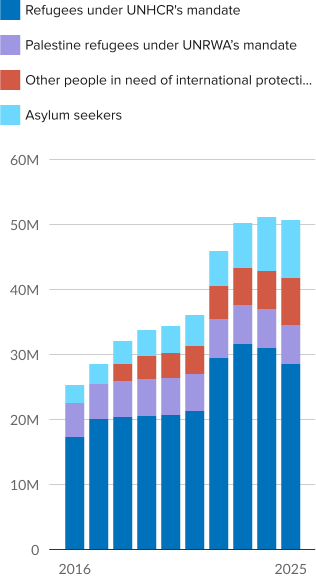
At end-2025, there were 41.6 million refugees globally, as well as 9 million asylum-seekers pending decisions on their asylum claims. The global refugee population remains high due to continuous forced displacement, even as returns increased sharply, mainly to Afghanistan, Sudan and Syrian Arab Republic, often under adverse circumstances.
Refugees and asylum-seekers | 2016-2025
Number of refugees and asylum-seekers in millions, by year and population group
Where do refugees come from and where are they hosted?
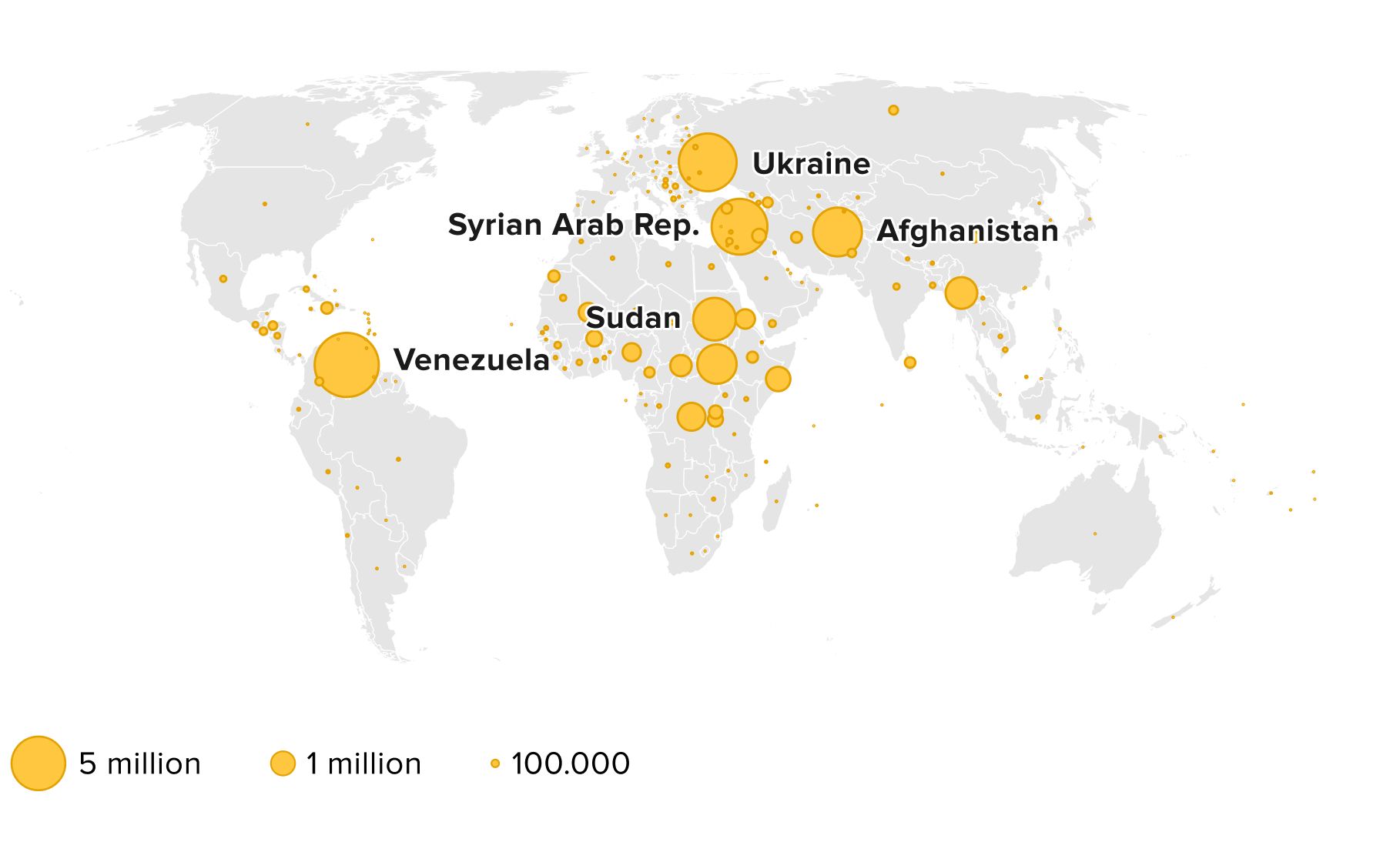
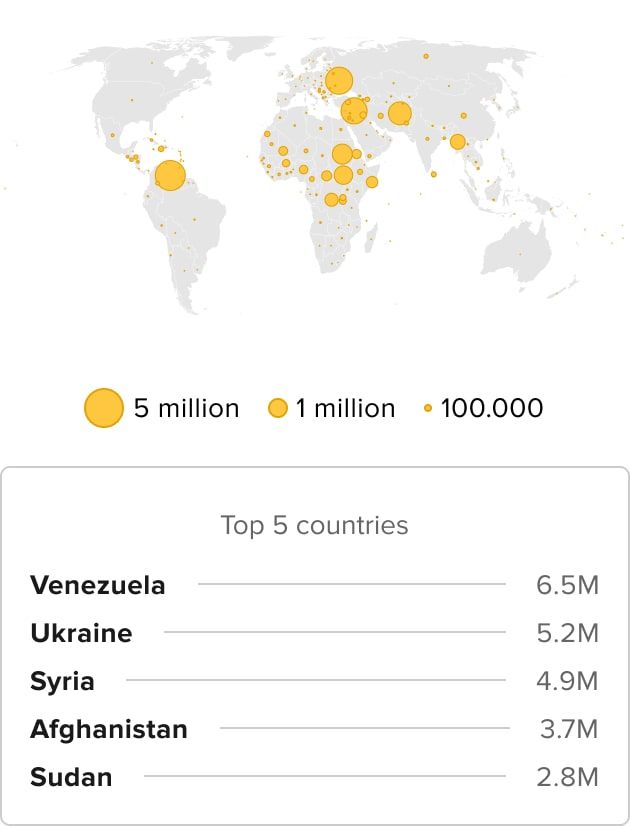
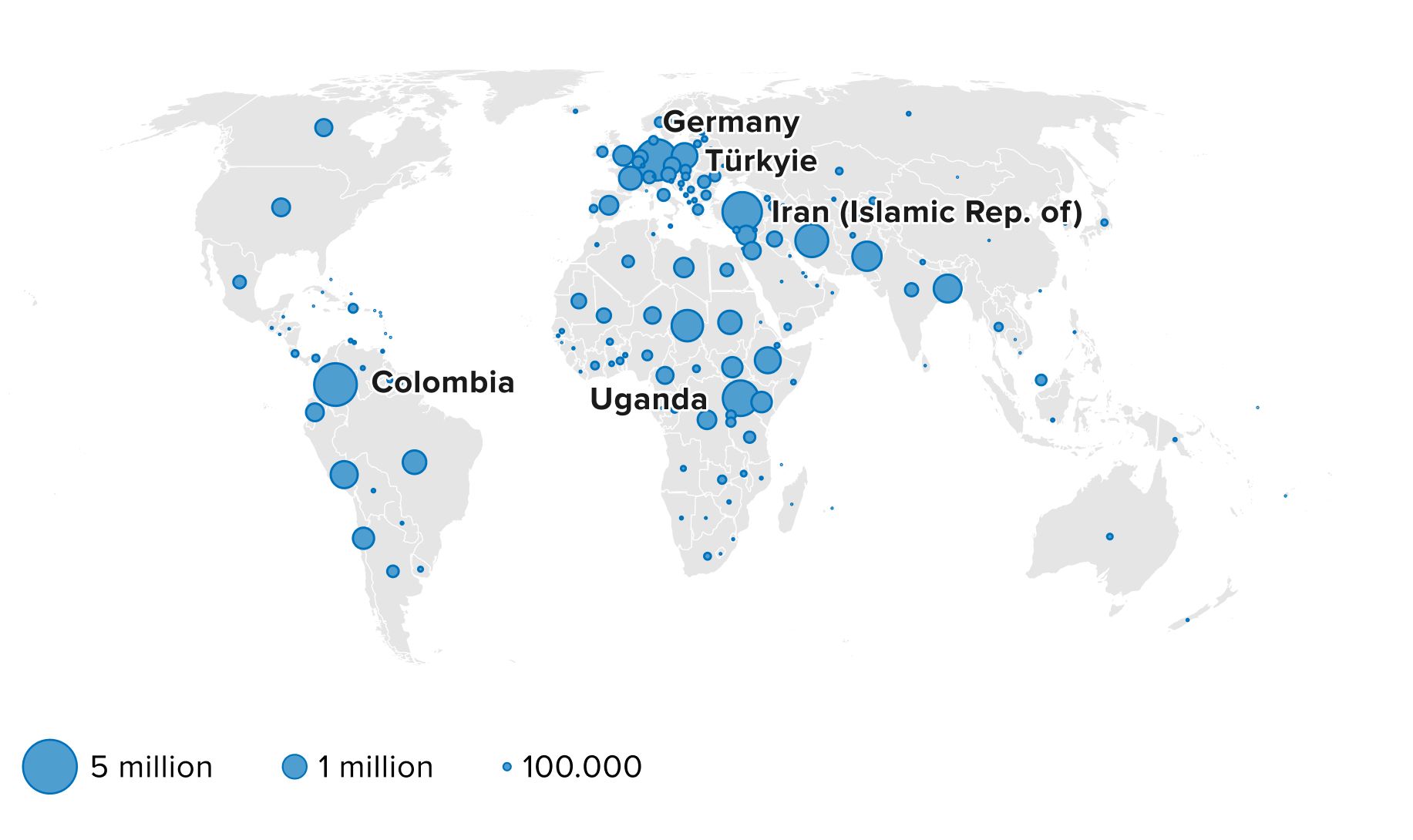
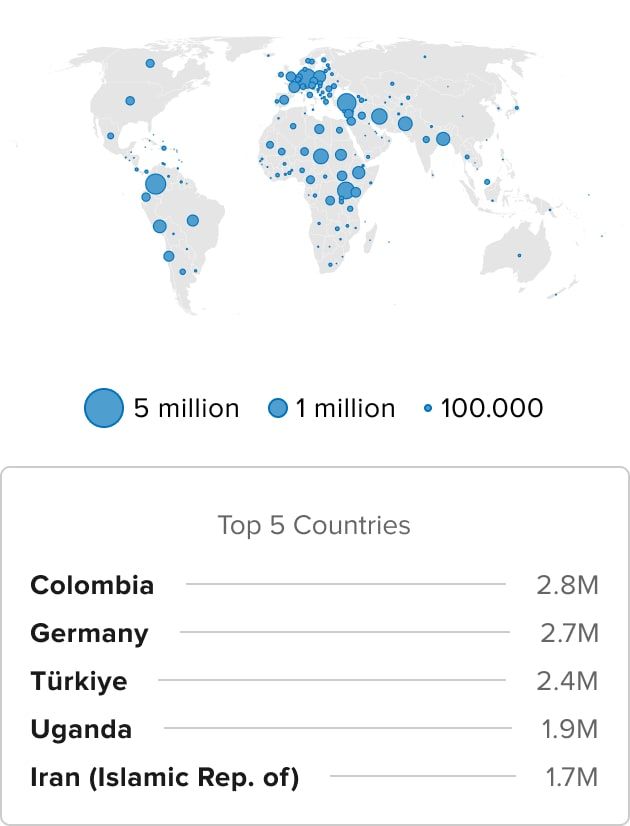
Nearly two-third of refugees and other people in need of international protection originated from five countries - Venezuela (6.5 million), Ukraine (5.2 million), Syrian Arab Republic (4.9 million), Afghanistan (3.7 million) and Sudan (2.8 million) in 2025. The largest hosting countries were Colombia (2.8 million), Germany (2.7 million), Türkiye (2.4 million), Uganda (1.9 million) and the Islamic Republic of Iran (1.7 million).
Origin countries of refugees | 2025
Number of refugees, by country of origin
Asylum countries of refugees | 2025
Number of refugees, by country of asylum
What are the realities faced by people forced to flee?
People forced to flee face specific realities that impact their socioeconomic and protection situation, and ultimately their self reliance and progress toward sustainable solutions.

© UNHCR/Samuel Otieno
WELL-BEING
Refugees are more likely to live in poverty than nationals
While poverty data on refugees remain limited, evidence from 10 countries indicates that refugees consistently experience higher poverty rates than nationals. In Ethiopia, the international poverty rate among refugees is 78 per cent, which is more than twice the national average of 31 per cent. When assessed through a multidimensional lens looking at health, education and standard of living, poverty is close to 50 per cent, compared to 24 per cent among nationals.
© UNHCR/Ala Kheir
Nutrition
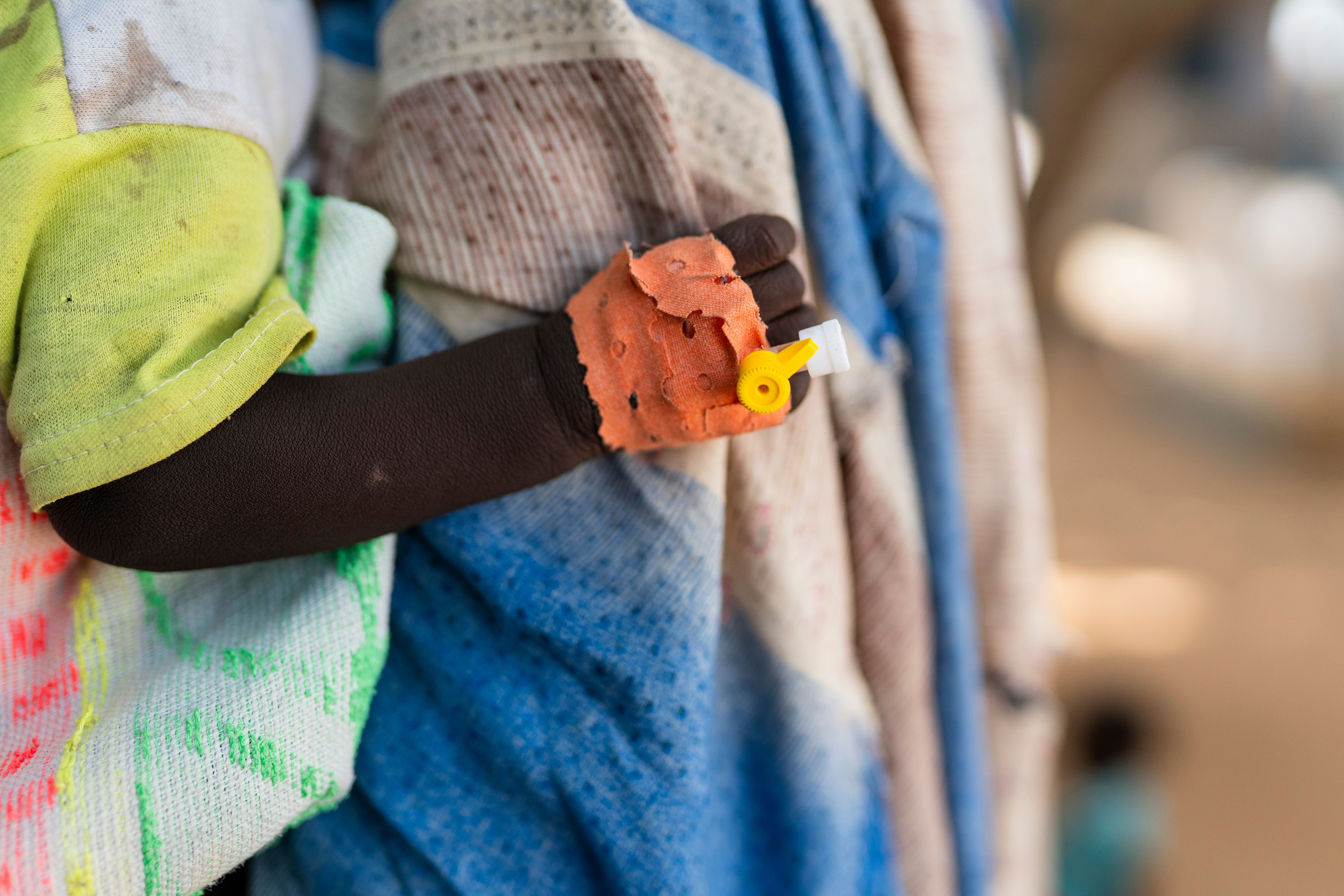
1 in 11 refugee and asylum-seeker children suffer from acute malnutrition across 15 countries
Global Acute Malnutrition (GAM) prevalence reflects short-term weight loss, usually the result of a recent shock such as lack of calories and nutrients, and/or illness. It undermines child growth and development and is strongly linked to higher rates of mortality. In seven out of 15 countries with available data over the last 3 years, refugees and asylum-seeker children under 5 years old experienced a GAM rate over 10 per cent, indicating a serious nutrition crisis.
© UNHCR/Caroline Gluck
INCLUSION
Social and financial inclusion among refugees varies across and within contexts
Between 2024 and 2025, UNHCR, in collaboration with host governments, conducted several Forced Displacement Surveys (FDS) that provide key insights into on refugees' level of inclusion, among other critical issues. For example, in Cameroon, close to 20 per cent of refugees experienced discrimination or harassment in the previous 12 months, compared to 33 per cent in Pakistan and over 50 per cent in Zambia (SDG 10.3.1).
© UNHCR
Financing
Refugee situations affected by significant reductions in development assistance in 2025, after years of stable support
Official Development Assistance (ODA) for refugee situations in low and middle income countries helps refugees, host communities, and returnees access essential services, livelihoods and rebuild their lives. ODA volumes remained broadly stable between 2020 (USD 14.5 billion) and 2024 (USD 14.4 billion). Most ODA supported hosting countries, with only 3.2 per cent directed to returnees in countries of origin. However, the historic decline in overall ODA in 2025 has affected refugees, host communities and returnees, although data on the full impact are pending.
How many people are internally displaced due to conflict and violence?
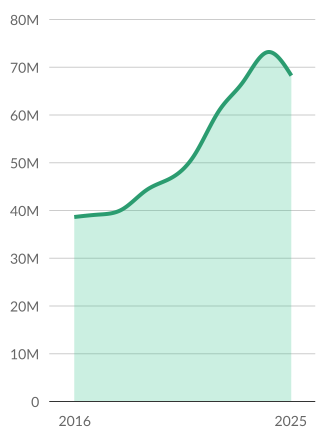
The number of IDPs due to conflict or violence is estimated at 68.7 million as of end-2025. Nearly 46 per cent of IDPs are from only five countries: Sudan (9.1 million), Colombia (7.2 million), Syria (6 million), Yemen (4.8 million) and Afghanistan (4.4 million). IDPs have not crossed an international border — they remain within their own countries, often in extremely precarious conditions and without the formal protections accorded to refugees.
Internally displaced people (IDPs) | 2016-2025
Number of IDPs due to conflict and violence in millions, per year
How many forcibly displaced people have reached a solution?
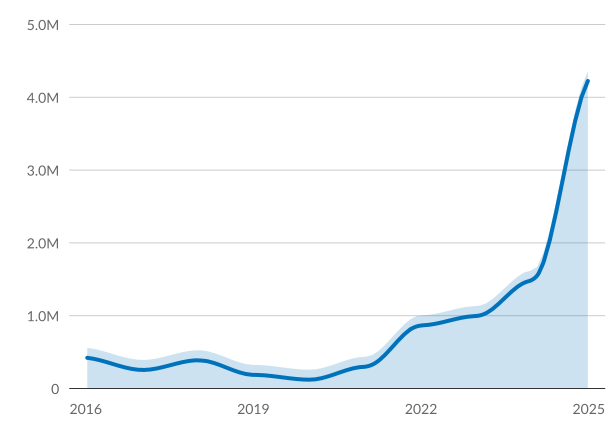
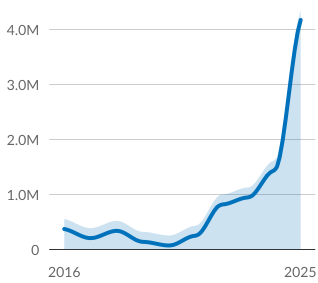
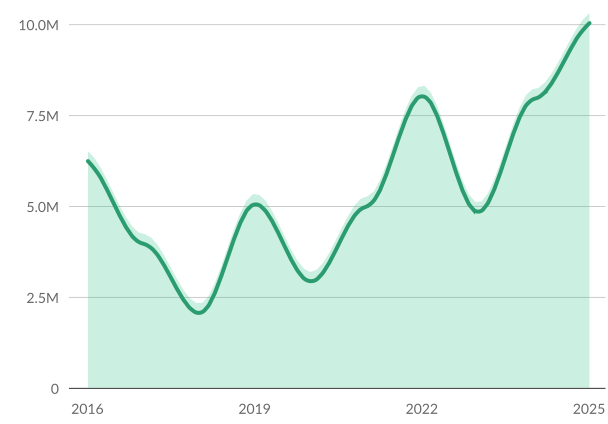
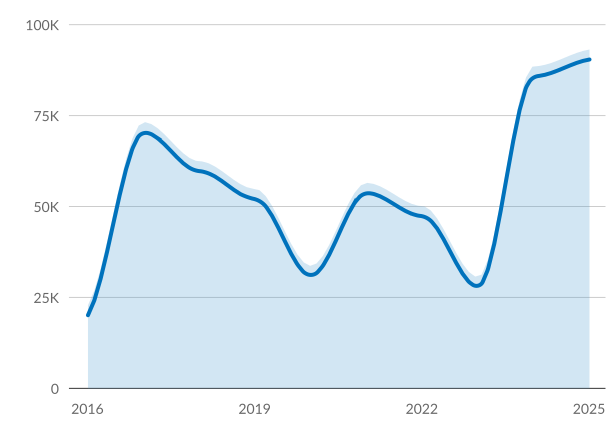
In 2025, 14.7 million people returned to their areas or countries of origin, including nearly 4.4 million refugees and 10.3 million IDPs. Refugee returns were the second highest since records began 60 years ago, but many refugees returned to extremely fragile contexts. A further 81,800 refugees were resettled or arrived via sponsorship pathways, and 93,500 refugees acquired a new nationality or were granted permanent residence status during the year.
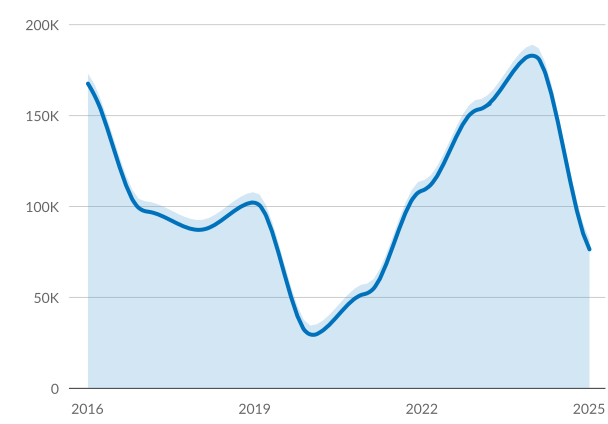
Refugee returnees | 2016-2025
Number of refugee returnees, in millions per year
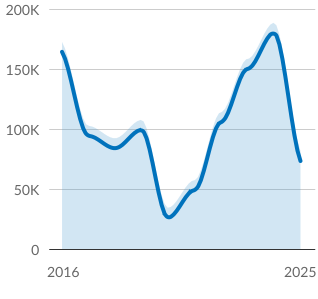
Government reported resettlement arrivals and sponsorship pathways | 2016-2025
Number of refugees who arrived through resettlement and sponsorship pathways, in thousands per year
IDP returnees | 2016-2025
Number of IDP returnees, in millions per year
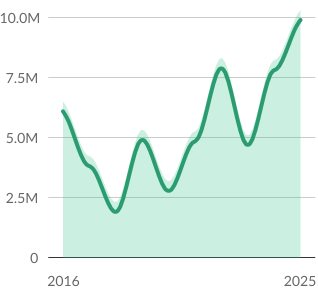
Naturalized refugees | 2016-2025
Number of naturalized refugees, in thousands per year
© UNHCR/Gia Luga
How many people are stateless worldwide?
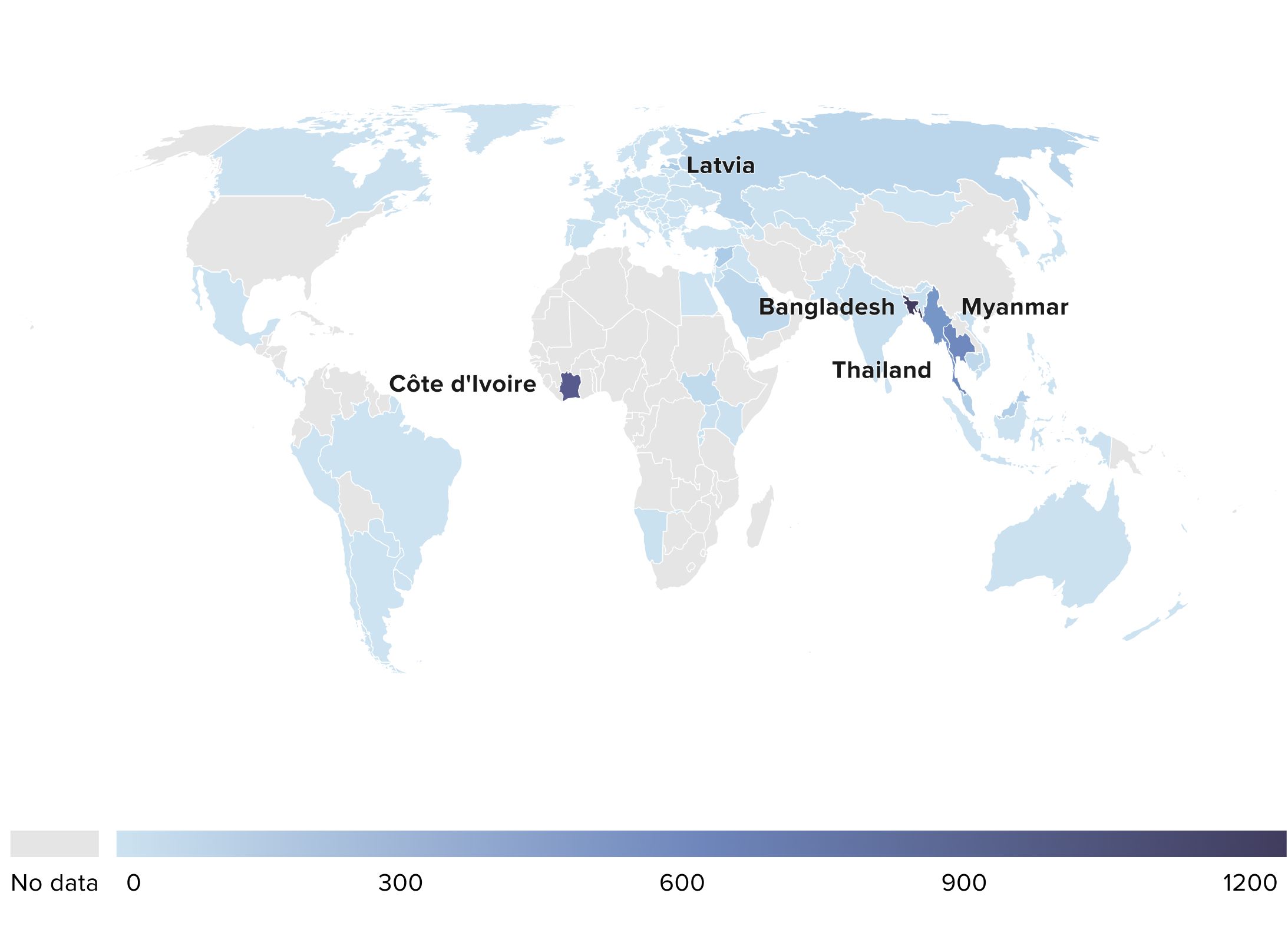
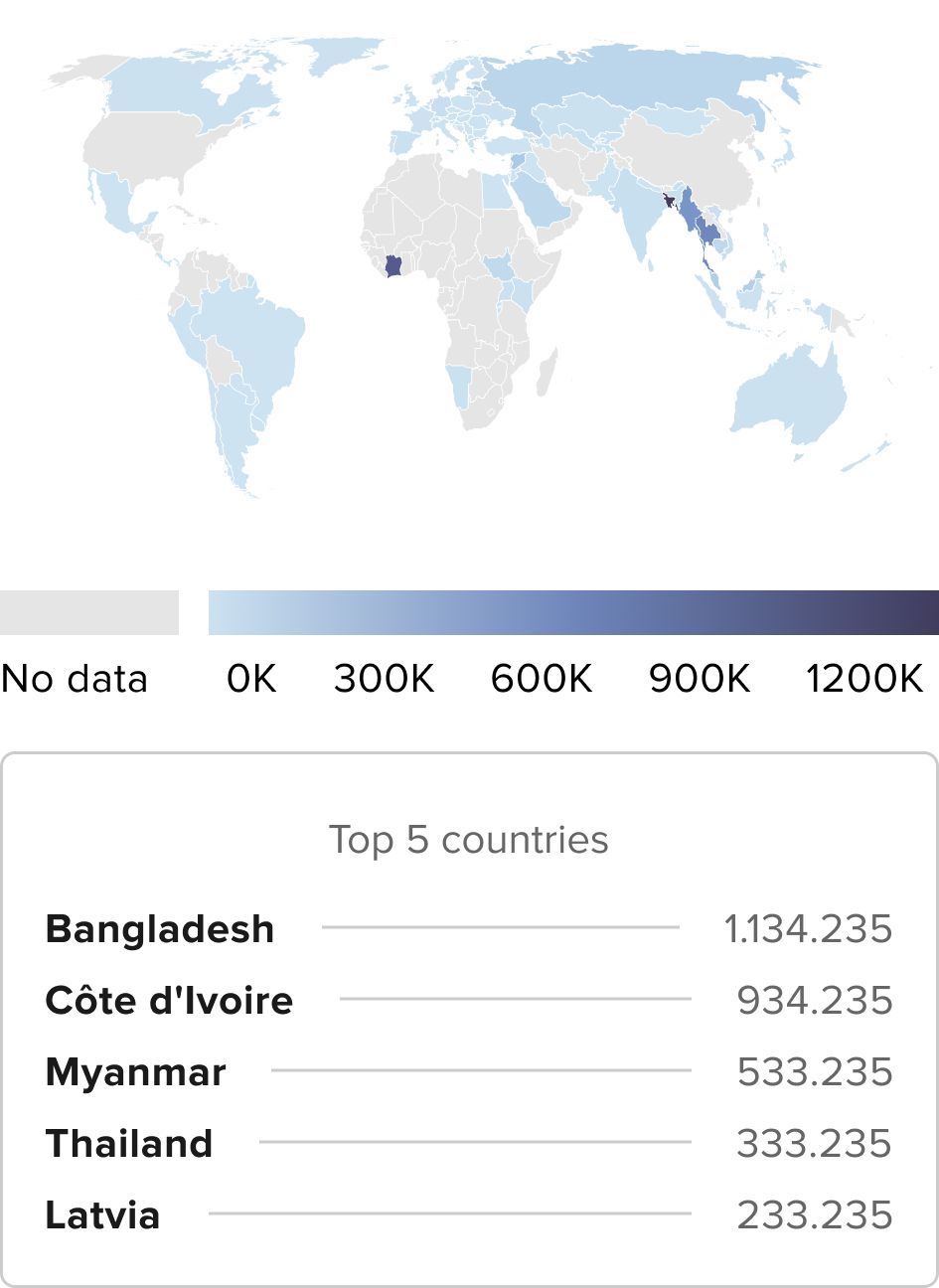
An estimated 4.5 million stateless people were reported globally at end-2025. The true global number of stateless people is likely to be much higher. Rohingya in Bangladesh and Myanmar represented 1.8 million statelessness, followed by 869,200 individuals in Côte d’Ivoire.
Stateless populations | 2025
Number of stateless people in thousands, by country
Access the latest UNHCR reports
New
Global Trends 2025
Jun 11, 2026
Key statistics on the global numbers of refugees, asylum-seekers, internally displaced people and stateless people, as well as their main host countries and countries of origin.
View Global Trends 2025 report
GCR Indicator Report 2025
Nov 15, 2025
UNHCR’s Global Compact on Refugees (GCR) Indicator Report is a biennial, evidence-based assessment that uses the GCR Indicator Framework’s 16 indicators and data collected with countries and international institutions to track progress, identify gaps and challenges, and support monitoring, accountability and collective action towards the Compact’s four objectives.
View GCR Indicator Report 2025 report